Blog
Dental hygiene tips for healthy teeth & gums
What’s The Difference Between A Crown And A Filling?
You go in for a routine checkup. You’re expecting the usual. Maybe a cleaning, a quick chat, then out the door. But then your dentist looks at your X-rays, points to a tooth, and says, “We’ll need to restore this one.” Then comes the question: filling or crown?
If you’re like most people, that question leads to a blank stare. Because unless you’ve had both, it’s hard to know what the difference really is.
Let’s clear it up right now. Your Huffman Dentist TX wants you to understand the why behind the treatment. Not just nod and agree.
So… What Is a Filling, Really?
We’ll start with the basics.
A filling is among the most common dental treatments out there. If you’ve ever had a cavity, chances are you’ve had one.
Here’s how it works: it fills in the area of your tooth that decay has worn away. Your dentist cleans out the bad stuff. Then they use a material, usually tooth-colored, to literally “fill in” the hole. It’s quick. It’s simple. And it works really well for small to medium-sized cavities. If the tooth still has plenty of strong structure left, a filling is usually the way to go.
Okay, Then What’s a Crown?
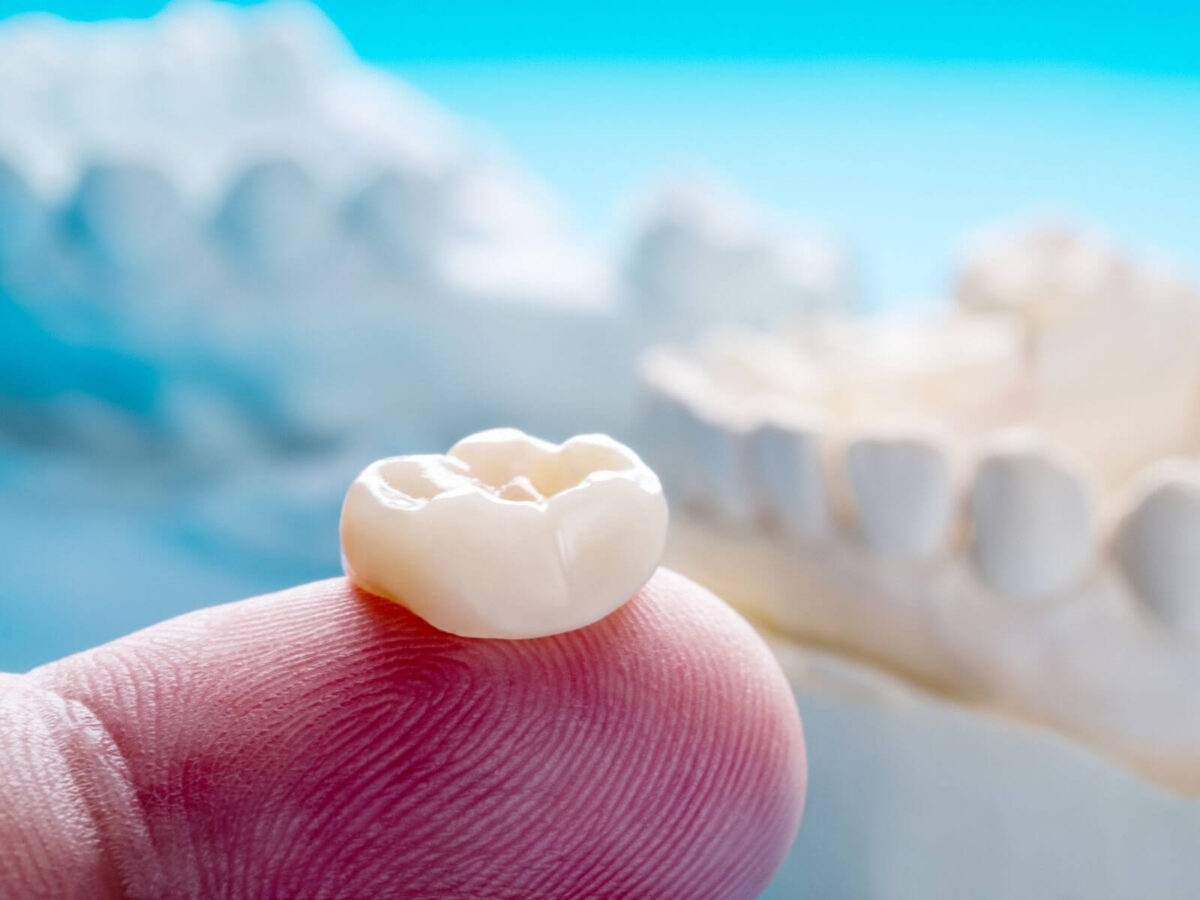
Picture it like a tiny shield that fits snug over your tooth. It’s more than a fix. It fully covers the tooth. When a tooth is badly damaged, has cracks, or has already had big fillings in the past, a filling just won’t hold up. That’s where the crown comes in.
Your dentist reshapes the tooth, takes an impression or digital scan, and a lab creates a custom-made cap that fits over it. Once it’s ready, they place it permanently. The result? Your tooth looks and works like it’s brand new. Sure, it takes longer than a filling, but it lasts way longer, too.
How Do I Know Which One I’ll Need?
It mostly depends on how much of your tooth is still healthy.
Here’s a quick way to look at it:
- If the cavity is minor and the tooth is still strong? You’ll probably just need a filling.
- If there’s major damage, a big chunk missing, or a root canal involved? A crown is likely the better call.
Your Huffman Dental Office TX, isn’t just guessing. They’re looking at how much tooth is left, how strong it is, and what will keep it protected long-term.
Do They Feel Different?
Once everything’s healed, both should feel totally normal. With a filling, you might notice it for a day or two. Maybe the bite feels off until your jaw adjusts. But that goes away fast. A crown takes a bit more getting used to, since it covers the whole tooth. But if everything’s done right, it should feel normal in about a week. Like it was always there.
Can You Eat Like Normal?
Yes. But you’ll need to be a little careful right after the procedure. Especially if the crown is still temporary. But once everything’s fully set? You’re good to go. Just skip chewing on hard things like ice or pens. Crowns hold up well, but they can still crack.
What’s the Risk If You Do Nothing?
Let’s say you skip getting that filling. The cavity keeps growing. It spreads deeper into the tooth. Now you’re dealing with nerve pain or even an infection. Suddenly, a small fix turns into a root canal or extraction.
Skip the crown when you need one? The tooth can crack all the way down. Sometimes the break is so bad that the tooth can’t be saved at all.
Your dentist isn’t being dramatic when they say it’s time for a restoration. They’re just trying to keep you from needing something much worse later.
What Are the Different Types of Dental Restorations?
There are a few kinds:
- Fillings – for smaller repairs
- Crowns – for bigger damage
- Inlays and onlays – somewhere in between, but not as common
- Bridges – to replace missing teeth
- Implants – full replacements that go into your jawbone
But when it comes to tooth cavity treatment, fillings and crowns are the two big ones. Your Huffman Dentist TX, will help you figure out exactly what your tooth needs—and nothing more.
What’s the Cost Difference?
Filings are cheaper. No surprise there. They’re faster and simpler. Crowns cost more because they’re custom-made and usually done in stages. But here’s something to keep in mind: a crown may save you money in the long run. Why? Putting a crown on a weak tooth might keep it from breaking later. That means no emergency visit. No extraction. No implant.
Many insurance plans cover part of both procedures. And your Huffman Dental Office TX can walk you through the costs ahead of time so there are no surprises.
Can You Avoid Needing Either One?
Sometimes, yes. But not always. You can brush twice a day. Floss. Watch your sugar intake. Get your cleaning. That helps prevent most cavities.
But life happens. Old fillings break down. Teeth crack. Genetics has a say in it, too. So if your dentist says you need a filling or a crown, don’t stress. Doesn’t mean you messed up. Teeth just do their own thing sometimes.
Final Thoughts
So what’s the real difference between a crown and a filling? A filling is a small repair. A crown is full coverage. One patches the tooth. The other protects it long-term. Neither is “better”. They just do different jobs.
And your Huffman Dentist TX knows how to choose the right fix based on what your tooth actually needs. The goal? Keep it strong. Keep it comfortable. And keep you out of pain. So next time you hear the words “filling” or “crown”, you’ll know exactly what’s what.