Blog
Dental hygiene tips for healthy teeth & gums
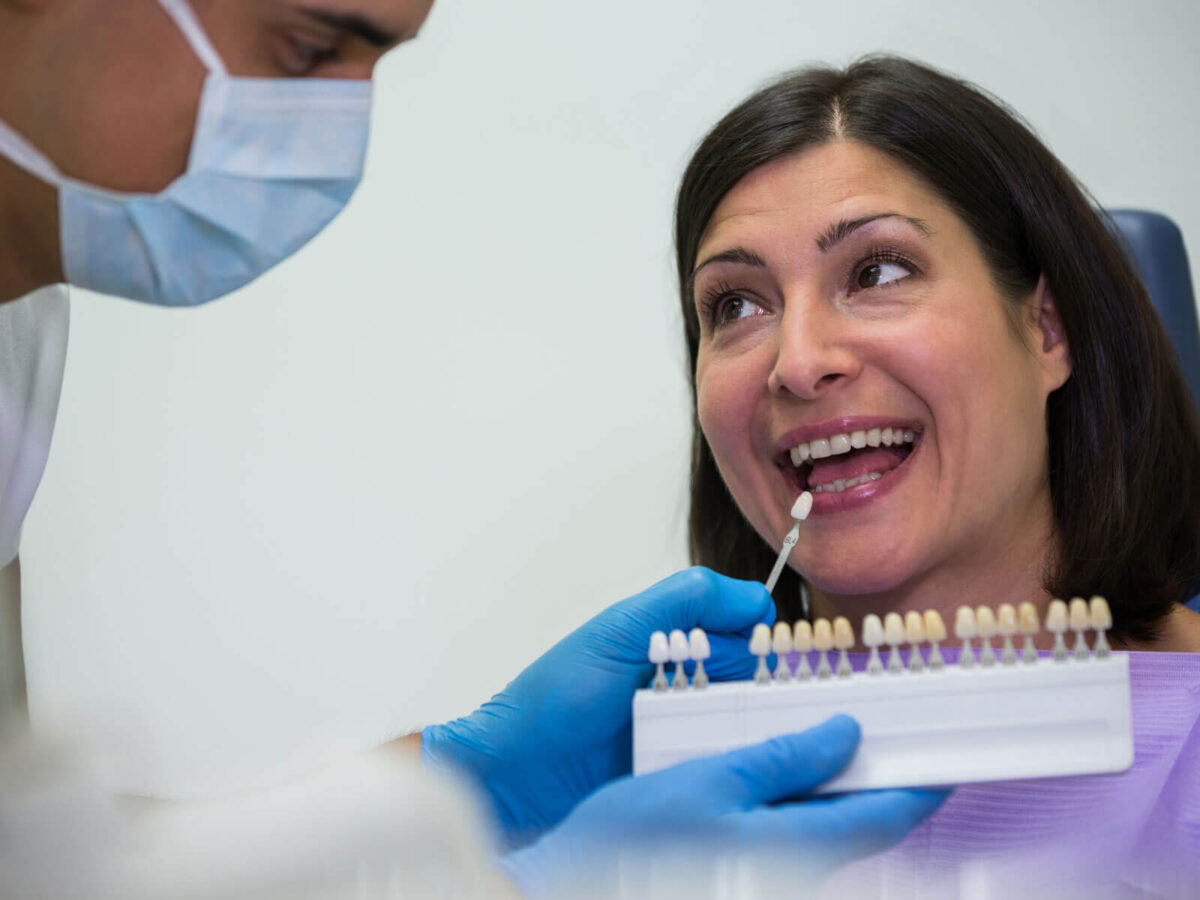
Zirconia vs PFM Crowns: Which Is Better in 2026?
Crown materials came up more than I expected while looking into this. A decade ago, the options looked pretty different from what’s available now.
Zirconia vs PFM wasn’t really a debate people were having in the same way. Porcelain fused to metal was largely the default, and zirconia was newer territory. That’s flipped considerably, and the conversation in dental offices reflects it.
Where the tooth sits, how much force it takes, what the patient wants it to look like — those details tend to drive the decision more than the materials alone ever could.
What Makes Zirconia a Crown Material
For years, zirconia was picked mainly for strength. It held up well under heavy chewing pressure, and dentists trusted it for posterior restorations because of that. The material was not always the first choice when appearance was the priority.
That has changed with newer versions. Translucency has improved. The aesthetic results are closer to natural tooth structure than those of earlier generations. That shift is part of why zirconia now comes up in the PFM crown vs zirconia discussion for front teeth as well as back ones.
What Is A PFM Crown
A PFM crown has a metal inner framework with porcelain layered over the outside. The metal handles the load; the porcelain gives it something close to a natural tooth appearance. It’s a combination that made a lot of sense when it became the standard option.
These crowns have been around long enough that there’s a substantial track record behind them. I’ve come across patients who’ve had theirs for fifteen to twenty years without issue. That kind of longevity is part of why the zirconia vs porcelain fused to metal comparison keeps coming up. PFM isn’t going away; it’s just being weighed differently now. The Cleveland Clinic notes that PFM crowns remain a common and durable option in restorative dentistry.
How Do Zirconia And PFM Crowns Look Different
For front teeth, the appearance difference between these two is hard to overlook. It’s usually the first thing that comes up in the zirconia vs PFM conversation.
With zirconia, there’s no metal underneath, so nothing to shadow through or show near the gumline. I’ve seen photos where PFM crowns looked completely natural, and others where the metal margin was obvious enough to be distracting.
PFM crowns can still look very good when fabricated well. The issue tends to appear over time, when gums recede slightly, and that dark line near the base of the crown becomes visible. It’s not inevitable, but it comes up often enough in the research.
The Journal of Prosthodontic Research documented strong survival rates for both materials, and noted that demand for metal-free options has been climbing. That last part wasn’t surprising to read.
Which Crown Is Stronger
PFM crowns rely on the metal framework sitting underneath the porcelain. That base is a big part of why they have held up well for so long.
Zirconia handles force differently. The ceramic itself is hard enough to take significant chewing pressure without needing a metal core underneath it.
Where the crown is going matters, though. Front teeth and back teeth are not dealing with the same forces. A crown on a molar is taking heavy biting pressure every day. A crown on a front tooth is a different situation. Dentists factor that in when comparing options.
What Happens If A Crown Chips
PFM crowns can experience porcelain chipping while the metal framework underneath stays intact. The crown keeps functioning, but there is a cosmetic issue to deal with.
Early layered zirconia restorations had a similar problem. Newer monolithic zirconia crowns got around that by using one material throughout. No layered porcelain means no layered porcelain to chip off.
That shift comes up regularly in the PFM crown vs zirconia discussion. A crown that holds up without needing attention years down the line is a different proposition than one that might.
What Is the Price Difference Between Zirconia and PFM Crowns
Prices shift depending on the dental office, the lab, and where the practice is located. There’s no single number that applies across the board for zirconia vs PFM.
PFM crowns generally fall in the $900-$1,800 range per tooth. Zirconia starts around the same place but can reach $2,500 depending on the type. Multilayer zirconia designed for aesthetics tends to land at the higher end of that. Healthline puts the cost of dental crowns in a similar range, noting that material type is one of the bigger factors in what you end up paying.
Some practices price zirconia only slightly above PFM. I’ve seen cases where the difference was minimal, and others where it was a few hundred dollars more. Any additional work needed before placement will push the total up as well.
How Long Do Zirconia And PFM Crowns Last
Both materials have been around long enough to build a real track record. PFM crowns have decades of clinical history behind them. A lot of older restorations are still in service.
Zirconia came into dentistry later, but has been used long enough now that the data is there. A systematic review published in the Journal of Prosthodontic Research reported high survival rates for both zirconia and metal-ceramic restorations.
How a crown holds up also depends on what it is up against. Grinding, clenching, the condition of the tooth underneath — those things affect how any restoration performs, regardless of the material.
Do Zirconia Crowns Wear Down Opposing Teeth
Early concerns about zirconia flagged this as a real issue. The older materials were harder and rougher, and there was documented wear on the teeth sitting opposite them.
That’s changed as manufacturing and polishing techniques have improved. A well-polished zirconia crown behaves quite differently from one with a rough surface finish. I’ve come across this distinction repeatedly in the research, and it seems to be the detail that gets lost when people are still working off older information.
A review in the Journal of Prosthetic Dentistry reported favorable wear characteristics for polished zirconia restorations specifically. The surface finish matters more than the material alone.
Does It Matter Where the Crown Is Going
Where the tooth sits changes how the zirconia vs. PFM decision gets made.
Front teeth get scrutinized differently. Appearance carries more weight, and modern zirconia has improved enough that it can look quite natural. PFM crowns can produce good results too, though the metal edge becoming visible if gums recede is something patients occasionally want to avoid.
Back teeth are a different situation. The forces involved are heavier, and monolithic zirconia handles that well. PFM crowns still get placed in molar and premolar areas regularly and perform fine there too.
FAQs
What is the difference between zirconia and PFM?
PFM crowns are two materials joined together. Zirconia, at least the monolithic kind, is just one. That is the basic difference.
Can a PFM crown be swapped out for zirconia?
It can. When an older PFM needs replacing, zirconia gets considered. It all comes down to what the dentist finds when they look at it.
Does insurance cover zirconia?
Depends on the plan. Some cover zirconia the same way they cover other crowns. Others only pay up to what a PFM would cost, and the patient covers the rest. Worth a call to the insurance company before deciding.
How do you pick between the two?
Honestly, that is what the dental appointment is for. Where the tooth sits, how the bite works, what the tooth looks like underneath — the dentist needs to look at all of that before recommending one over the other.
Conclusion
Reading through the zirconia vs PFM research, neither material came out ahead across the board.
PFM crowns have decades of clinical use behind them. Zirconia has been around long enough now to have its own history. The fact that both are still being used regularly tells you something about how the decision actually plays out — it is not about which material is better in general, it is about which one makes sense for a specific tooth.
If a crown gets recommended, ask about the material and why that one. It is a short question, and the answer is usually worth hearing.