Blog
Dental hygiene tips for healthy teeth & gums
Pros and Cons of Dental Sealants
Sealants usually aren’t brought up during anything serious. No pain or problem. Just a routine visit that’s almost over. The dentist looks at the back teeth, brings up sealants for a moment, then keeps going. It can seem small then, like a choice for later.
And later is when it starts to matter. While brushing, while checking a child’s teeth, or after hearing someone talk about cavities showing up unexpectedly. That’s when people start searching “dental sealants pros and cons”, because the original explanation didn’t feel long enough to really think it through.
Why Dental Sealants Exist At All
Back teeth are shaped differently from front teeth. They aren’t smooth. They have deep grooves and narrow pits that collect food easily. People can brush every day and still miss those areas. It’s not obvious. The back teeth don’t get much attention. Eventually, bacteria sit there long enough for cavities to start.
Sealants were created to deal with that specific problem. They flow into those grooves and harden, closing them off. They don’t strengthen the tooth. They don’t rebuild enamel. They simply block access.
That limited purpose matters when weighing the pros and cons of dental sealants, because sealants aren’t meant to do everything. They exist to solve one narrow issue, and they do that fairly well.
Where Sealants Actually Make A Difference
Chewing surfaces are where sealants tend to matter most. Teeth that are in the back get cavities more often. Their shape plays a role. Those grooves are deep. It makes brushing them properly a challenge.
Once placed, sealants don’t require much attention. They don’t rely on habits being flawless. They simply sit in place and reduce the chance that decay will start in those grooves. When someone has dealt with cavities before, that passive layer of protection can matter more than it first appears. Over time, it often becomes the part people focus on most when considering dental sealants’ pros and cons, even if the decision isn’t simple.
Dental Sealants For Kids: Pros And Cons
Sealants come up most often with kids, and that usually isn’t random. Newly erupted molars are still figuring things out, and they’re more exposed than people realise. Brushing is a work in progress at that age, even with reminders and supervision, and those deep grooves in back teeth are easy to miss day after day.
Because of that, the balance often tips toward protection. Sealants add a layer during years when cavity risk is simply higher. For many kids, that can mean fewer early fillings and fewer stressful dental visits before habits really settle in.
Growth changes things. Teeth move, and bites adjust. Sealants may need maintenance. That upkeep sits right in the middle of the dental sealants for kids pros and cons conversation.
The Procedure Feels Easier Than Expected
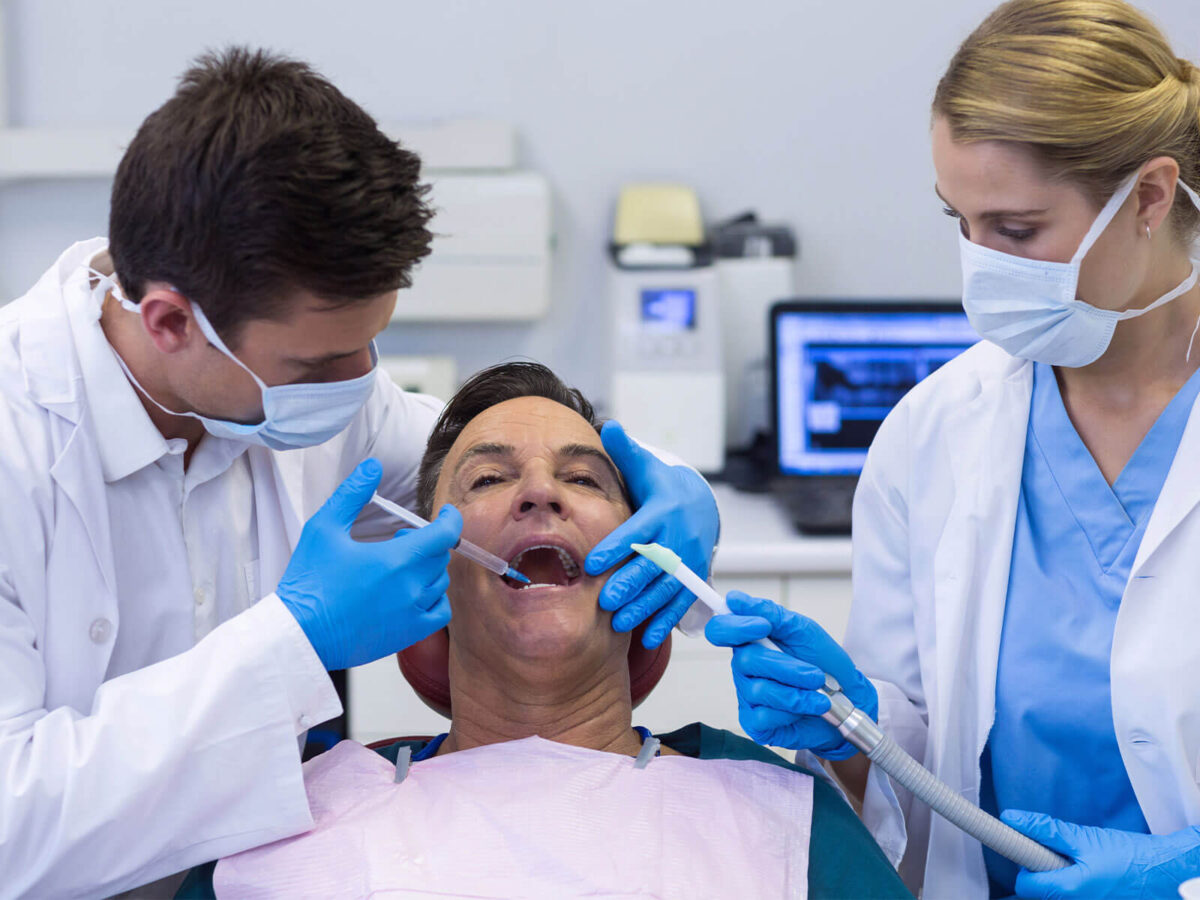
Another reason sealants are often accepted is how simple the process is. There’s no drilling. No numbing. No removal of tooth structure.
The tooth is cleaned and dried properly. After that, it is nicely sealed. The material hardens quickly. The appointment moves on. For children, this often makes sealants one of the least stressful dental procedures they experience.
That ease is not a small detail. It’s part of why sealants continue to show up in discussions about the pros and cons of dental sealants.
Sealants Can Reduce Long-Term Dental Work
Fillings solve problems, but they also change teeth. Each one removes a bit of natural structure, and over a lifetime, that can matter more than people expect. Teeth that have been filled repeatedly don’t always age the same way as untouched teeth do.
Sealants step in before that cycle starts. By lowering the number of cavities that ever need treatment, they help protect enamel in a quieter way. You don’t see the impact right away. It builds slowly. Years later, it often looks like fewer fillings, fewer crowns, and fewer issues to manage as time goes on.
That long-term perspective is often missing when people skim over dental sealants’ pros and cons without slowing down.
Sealants Do Not Last Forever
Sealants aren’t immune to wear. Chewing adds up. Over time, they can start to wear down and thin out. This doesn’t mean they failed. It means they were exposed to daily use. Still, it does mean they need to be checked during routine visits and occasionally repaired or replaced.
That ongoing attention is one of the more practical pros and cons of dental sealants that doesn’t always get mentioned at first.
They Only Protect Certain Parts Of The Tooth
Sealants only cover chewing surfaces. They don’t protect between teeth. They don’t prevent gum disease. They don’t stop cavities from forming on smooth surfaces.
This limitation matters when expectations are too high. Sealants help in very specific places. They are not a replacement for daily cleanings
A lot of mixed opinions about the pros and cons of dental sealants come from assuming they do more than they actually do. When they’re seen as full protection, expectations tend to drift.
Sealants Don’t Fix Existing Cavities
Sealants help stop issues early, not repair damage that has begun. When a cavity exists, sealing over it doesn’t treat the problem below the surface. It’s pretty common to think sealants can fix a cavity after it begins, though that’s not their role. Teeth have to be in good shape first, which helps people decide if sealants actually make sense.
Adults And Sealants Are A Mixed Case
Sealants aren’t only for children, but they aren’t necessary for every adult either. Adults with deep grooves or a history of cavities may benefit. Others may not notice much difference.
Some adults have teeth that are naturally easier to clean. Some have very low cavity risk. In those cases, sealants may add little value. This variation is why dentists don’t recommend sealants automatically for everyone.
Cost Is Still A Factor
Sealants tend to cost less than fillings, which makes them feel simpler to think about earlier on. Insurance coverage remains more mixed. Some plans cover sealants for kids pretty clearly. Adults often have to dig a little to find out where they stand.
For some, sealants feel like a small step now to avoid bigger work later. For others, the cost doesn’t feel worth it, especially if cavities haven’t been much of an issue before. Both ways of looking at it are reasonable, depending on risk.
Why Some People Choose To Skip Sealants
Some teeth don’t trap food easily. Some people rarely get cavities. In those situations, sealants may not add much protection.
Sealants work best when there is something to protect against. When that risk isn’t really there, sealants can feel harder to justify. Their purpose becomes less clear. It’s also why the dental sealants pros and cons discussion isn’t something that fits neatly into one answer.
Final Thoughts
The dental sealants’ pros and cons don’t hinge on whether sealants are universally helpful. That framing oversimplifies things. The real question is fit. Fit for the tooth. Fit for the level of risk. Fit for how decay tends to develop.
In the right cases, sealants lower risk without much effort or attention. In others, they don’t add much. Being able to see both sides clearly often makes the choice feel less urgent and more settled.
Not being sure about sealants doesn’t mean you’re missing something. It usually just means the explanation needs to slow down. A simple conversation at a routine dental visit can help put the pros and cons of dental sealants into perspective, based on real risk rather than general advice. For many people, that makes the decision feel more comfortable.