Blog
Dental hygiene tips for healthy teeth & gums
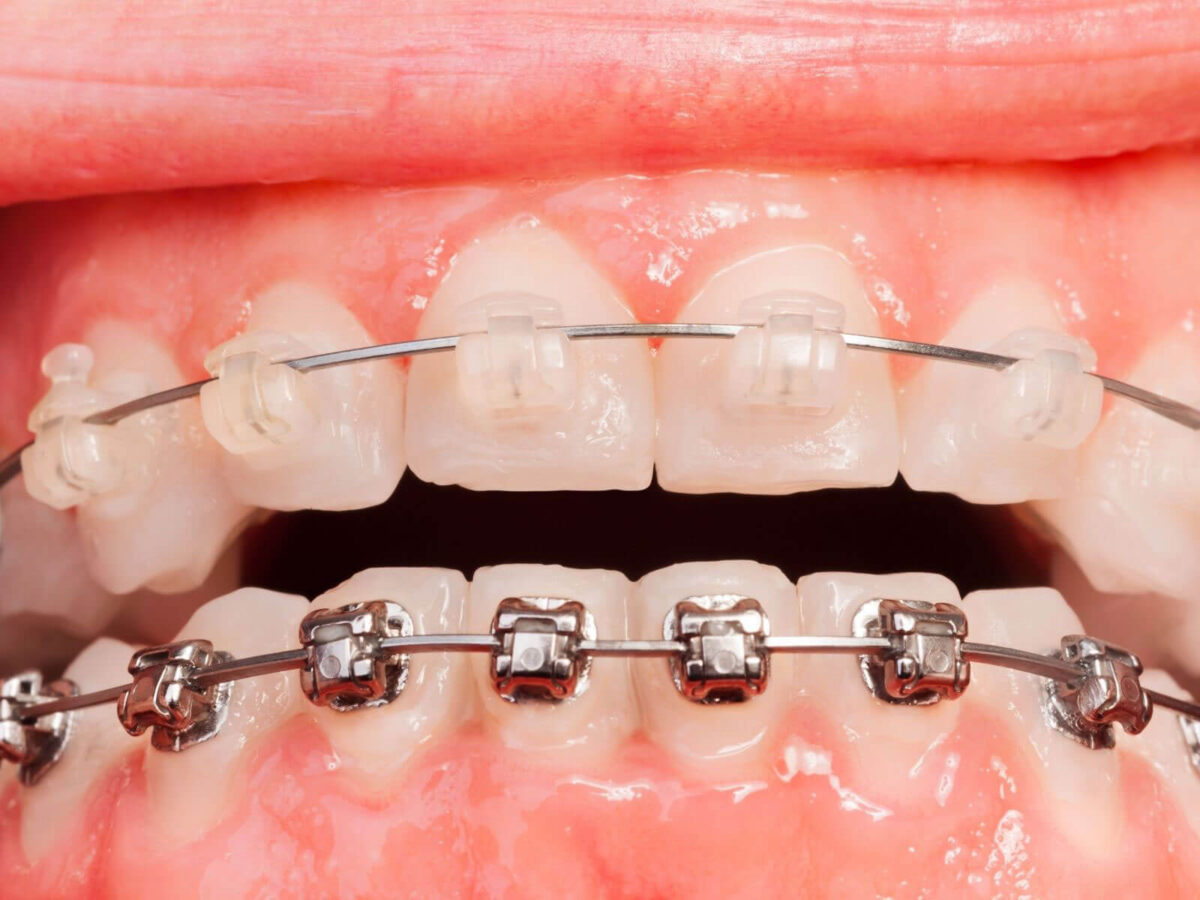
7 Clear Signs That You Might Need Braces
Many people start thinking about braces when everyday biting or smiling begins to feel different. It often happens slowly. A tooth shifts slightly. The bite feels a little uneven. Food catches in places that never caused trouble before. These small changes build until someone finally wonders about the early signs that you need braces and what they actually look like in real life.
Sometimes the signs are obvious. Sometimes they are quiet and easy to overlook. Paying attention to those early hints helps prevent bigger alignment problems later.
Bite Feels Uneven Or Uncomfortable At Times
One of the most common signs that you need braces is when the bite starts to feel off. This can appear while chewing or when the teeth rest together. The shift may seem small at first, yet uneven contact over time can affect certain teeth and strain the jaw.
People notice it as a click, a slight shift, or a feeling that the top and bottom teeth are not lining up properly. These changes develop slowly and can raise the question of what are signs that you need braces as alignment changes.
Teeth That Overlap More Than Before
Crowding builds slowly for many adults. A tooth may rotate a little, another may lean forward. Before long, teeth can begin to overlap. That crowding makes proper cleaning difficult and gives plaque more places to collect.
Even mild overlap is a practical sign to pay attention to. People often realise something has changed when floss becomes harder to slide between teeth. That everyday moment becomes a clue, showing how do you know you need braces without waiting for discomfort to appear.
Spacing That Keeps Widening
On the opposite side of crowding is spacing. Gaps may appear between teeth that were once close together. This spacing can develop naturally over time. Many people notice it while brushing or when food begins getting stuck in places that were always easy to clean.
Spacing itself is not always uncomfortable, but it does affect chewing and can shift other teeth out of line. It is one of the common answers when someone asks what are the signs that you need braces are, because the movement becomes easier to see in photos or while talking.
Difficulty Cleaning Certain Teeth
When alignment begins to change, oral care becomes less reliable. Brushing feels awkward in certain spots. Floss catches where it never used to. Mouthwash may still flow, but it does not always reach everything. This creates space for plaque to linger, which can slowly increase the risk of decay or irritated gums.
Most people brush this off at first. Still, repeated difficulty is one of the practical signs that you need braces because it shows how tooth position is affecting routine habits. When cleaning feels more complicated than before, shifting teeth are often the reason.
Jaw Tension Or Mild Discomfort After Chewing
The signs do not always start with the teeth. They can show up in the jaw instead. Eating for a while may leave a faint ache behind. The sides of the face feel tense. Chewing firm foods feels more exhausting than it should. When teeth are not aligned well, the jaw has to carry that strain.
These signs do not always appear strongly, but even mild patterns matter. Many people realise something is off only when they notice the issue happening more than once. These experiences often answer the question how do you know you need braces because the jaw is responding to extra strain.
Early Changes In Speech Patterns
Speech can shift slightly when the teeth begin to move. Words that once felt easy may need more effort. The tongue may have to adjust to new spaces between teeth, or some sounds may feel difficult to make. These small speech changes can be an early indication of alignment movement, especially when paired with other signs that you need braces.
Many people notice this while speaking quickly or when they hear themselves recorded. Speech does not need to be dramatically affected for alignment to matter. Even light changes can signal that teeth are shifting in a noticeable way.
Teeth That Feel Loose
When everything is aligned well, teeth feel stable while eating and brushing. Even touching them lightly with the tongue feels normal. If a tooth begins to feel loose with no clear injury or gum concern, shifting alignment may be the reason. Crowding adds pressure that can take away that secure feeling.
This experience often makes people stop and consider what are signs that you need braces because movement that affects stability usually means more changes are coming. Handling the issue sooner can protect the tooth and preserve the bone that holds it.
Why Does Noticing These Signs Early Help
Early signs are easier to manage. When alignment shifts are addressed sooner, treatment often stays simpler. Using braces or clear aligners earlier can bring the teeth back into line before the bite gets complicated. When it is left alone, the wear does not stay even. Gums can react. Treatment down the road becomes more involved.
People sometimes wait because the changes seem small. But those quiet early hints often signal the beginning of a larger movement. Paying attention helps keep dental health steady.
Understanding How Braces Support Long-Term Comfort
Braces slowly bring teeth into places that work better for chewing and speech. Cleaning becomes simpler too. They also balance the bite so pressure spreads out rather than piling up. This protects the enamel and reduces stress on the jaw.
Someone who begins to recognise what are signs that you need braces can take action before discomfort appears. Alignment care supports comfort now and protects oral health for years ahead.
When A Visit Starts To Feel Necessary
If your teeth feel off from one week to another, a visit can help clarify what might be changing. Orthodontists can see early patterns that are not obvious in the mirror. Sometimes the concern is simple and needs no treatment. Other times, early guidance makes a meaningful difference.
A short evaluation gives a clearer picture of alignment and shows whether braces could help.
How Small Changes Prepare You For Timely Care
Once someone becomes aware of these patterns, it becomes easier to notice new shifts. A tooth is leaning a little more. A bite that feels off in the morning. Food is caught in the same spot again. These details help track whether the alignment is stable or moving.
Picking up on these hints early allows treatment to begin when it actually makes sense, instead of being late or unnecessary.
A Steady Approach To Alignment Decisions
Braces are not only about appearance. They protect long-term dental function. They support healthier gums and more even wear on teeth. They make daily hygiene easier. When someone pays attention to early signs that you need braces, the decision becomes clearer and more comfortable to make.
Alignment care is personal. Each mouth shifts differently. But the small signs appear before the major ones, and that is where awareness matters most.
CTA
When some of these changes feel familiar, an orthodontic check can help you understand what might be happening. Early guidance makes alignment care smoother and helps protect long-term comfort and oral health.