Blog
Dental hygiene tips for healthy teeth & gums
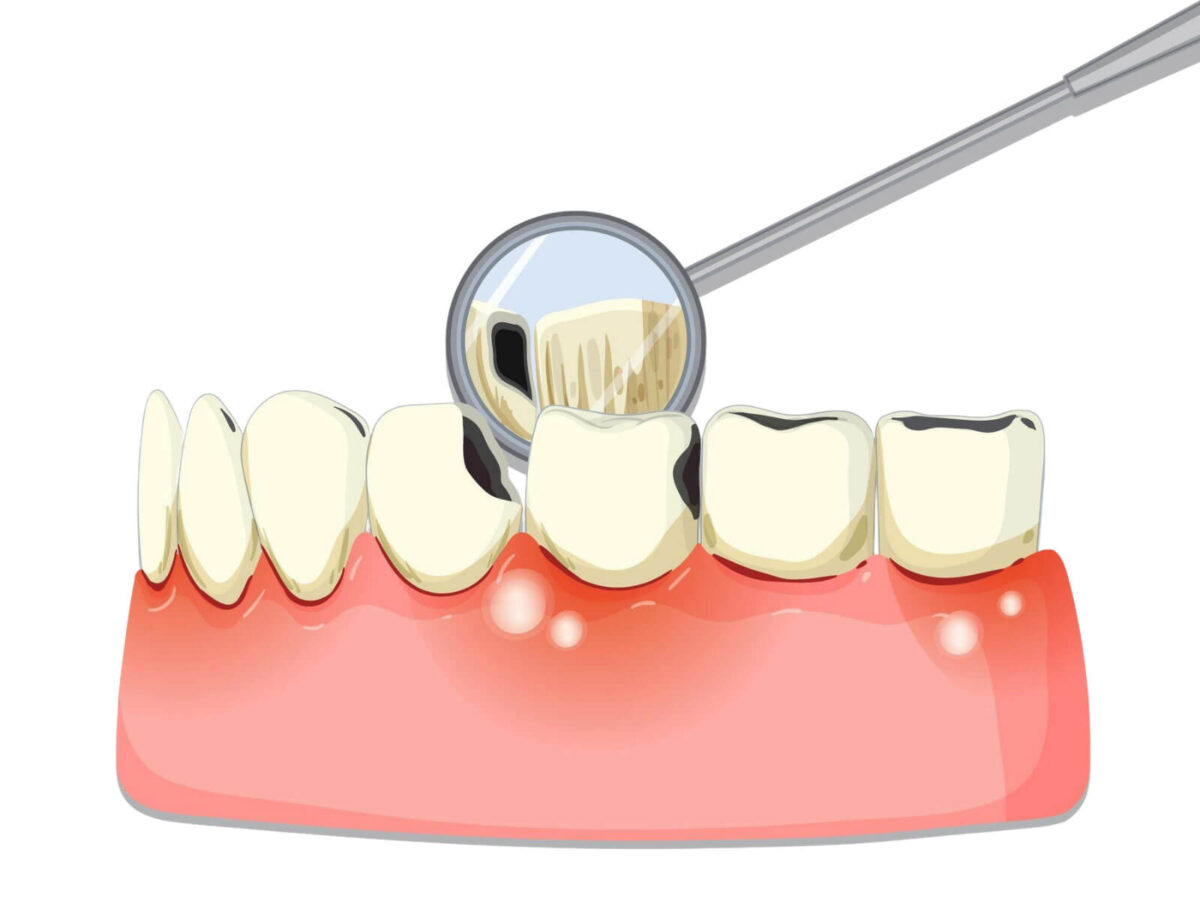
Can You Get a Cavity Under a Filling?
People often feel relieved after a filling. The affected part is taken out, then the tooth is fixed. Everything seems back to normal again. So when someone hears that a cavity might form around or under a filling later, the reaction is usually confusion. Wait. Is that even possible?
It is a fair question. Can you get a cavity on a filling? Yes. Sometimes this really can happen. Not every filling lasts forever, and teeth may still decay slowly over time. Knowing this helps people understand how prevention works.
Tooth decay remains very common. The Centres for Disease Control and Prevention says over 90 per cent of adults have experienced at least one cavity sometime in life.
With cavities being so common, it makes sense that some may appear around existing dental work.
How Fillings Repair a Tooth
Before talking about “can you get a cavity under a filling”, it helps to first understand what a filling really does inside a tooth. A filling is not magic. It simply repairs damage that has already happened.
When a dentist finds a cavity, the weak and decayed part of the tooth is removed carefully. Only the damaged part is removed. After it is cleaned out, a small space remains. That space cannot stay open. So the dentist fills it with a dental material that seals the area.
Different materials may be used depending on the situation. Some fillings use composite resin that matches the tooth colour. Others may be porcelain. In certain cases, metal blends are still used. Once the filling is placed, the tooth regains its shape and strength. Chewing usually feels normal again. Most people also notice the pain disappears.
A filling restores the tooth after decay is removed. But the mouth still contains bacteria. So the tooth is not totally protected. Over time, decay can form around or beneath dental work.
Why Cavities Can Form Around Fillings
Where the filling meets the natural tooth, there is a thin edge. Dentists call this area the margin. It helps seal the filling against the tooth. With time, small gaps can form along that edge. Normal chewing pressure and everyday wear can slowly cause those changes.
When bacteria find their way into these tiny spaces, decay may begin again. That is one reason the question can you get cavities in fillings sometimes has the answer yes. The cavity does not form inside the filling itself. It forms in the tooth next to it.
What Happens When Decay Forms Under a Filling
Sometimes the new decay begins along the edge of the filling. Other times it develops beneath the filling, where it cannot easily be seen. That is when people start asking can you get a cavity under a filling.
The filling protects the damaged spot on the tooth. Because it covers the area, decay below it may stay unnoticed for some time. Dentists often find these hidden cavities during exams or dental X-rays.
Research shared by the National Library of Medicine explains something interesting. Decay that forms around old fillings is a common reason dentists replace them. Regular dental checkups help identify these problems early.
How Long Do Fillings Usually Last
A filling can stay strong for many years. Still, time slowly affects it. Composite fillings often last close to ten years, and sometimes longer, with good daily habits. Metal fillings may remain intact even longer. Even so, every filling changes slowly over time. The material can weaken or separate slightly from the tooth. When that small gap appears, bacteria may settle there. That is one reason dentists say a cavity in a filling is not uncommon.
Signs That a Filling Might Need Attention
Many cavities around fillings are first noticed during routine dental checkups. People often feel normal before the visit. Still, the mouth may give a few small signs. Sensitivity to hot or cold foods can be one of them. A rough feeling when the tongue touches the filling may also happen.
Sometimes a filling may feel loose. Sometimes it may feel cracked. When these things appear, dentists examine the tooth closely. They check whether decay has formed around the restoration. Situations like this often make people ask again, can you get cavities in fillings.
Why Daily Habits Still Matter
A filling restores a tooth after decay is removed. It solves the immediate problem. Still, the mouth remains a busy place full of bacteria that interact with food every single day.
Brushing usually keeps plaque from building up too heavily on teeth. The areas near fillings are trickier, though. Plaque often settles there. That is why flossing matters.
If plaque remains there for long enough, bacteria begin producing acids again. Those acids can slowly damage the tooth structure around the filling. That is how you can get a cavity under a filling.
How Dentists Detect New Cavities
A dental exam takes more than a brief glance at teeth. The dentist studies the mouth carefully. They often rely on a few different tools while doing this. One small instrument helps them lightly touch the tooth surface and notice spots that may not feel as firm.
Dental X-rays offer another way to examine teeth. They show areas that cannot be seen during a regular exam. Decay can sometimes begin between teeth or under older fillings. Those places often stay out of sight during a normal check.
With these images, dentists can detect problems early. Finding decay early usually makes treatment easier. That is why regular checkups are important when people start wondering about “can you get a cavity on a filling“.
Replacing an Old Filling
When dentists find decay around a filling, the usual step is to remove the existing filling first. The decayed part of the tooth is then cleaned away. After the area is prepared, another filling is placed. If the tooth has lost a lot of structure, a crown may sometimes be recommended.
What Can You Do To Stop Cavities Around Fillings
Simple daily habits help protect teeth around fillings. Cleaning twice a day clears away a large part of the plaque that builds on teeth. It also clears many bacteria from the surface. Fluoride toothpaste helps too. It strengthens enamel and helps teeth handle acid better.
Plaque often settles between the narrow gaps of teeth. Floss helps with that. Near fillings, small food pieces can stay hidden in those spots.
Sugar plays a role too. Bacteria use it to create acids that damage teeth. When sugary snacks are limited, the risk of new decay drops. Habits like these can prevent the situation where someone begins asking can you get cavities in fillings.
FAQs
Can you get a cavity on a filling?
Yes. The tooth around a filling can develop decay.
Can you get cavities in fillings themselves?
No. The filling material cannot decay.
Can you get a cavity under a filling without pain?
Yes. Small cavities may stay painless at first.
How many times should fillings be checked?
They are usually examined during regular dental checkups. So, twice a year is fine.
Conclusion
Fillings help fix teeth that cavities have damaged. That treatment helps, but it does not stop new decay forever. Bacteria sometimes collect around the edges of a filling and begin the cavity process again over time. Once people know that you can get a cavity on a filling, regular dental care makes more sense. Checkups, brushing each day, and flossing all support healthy teeth.
A rough feeling in a tooth with a filling should not be ignored. A dentist can examine the area and figure out the reason. When the issue is checked early, small problems are easier to treat before they become larger concerns.