Blog
Dental hygiene tips for healthy teeth & gums
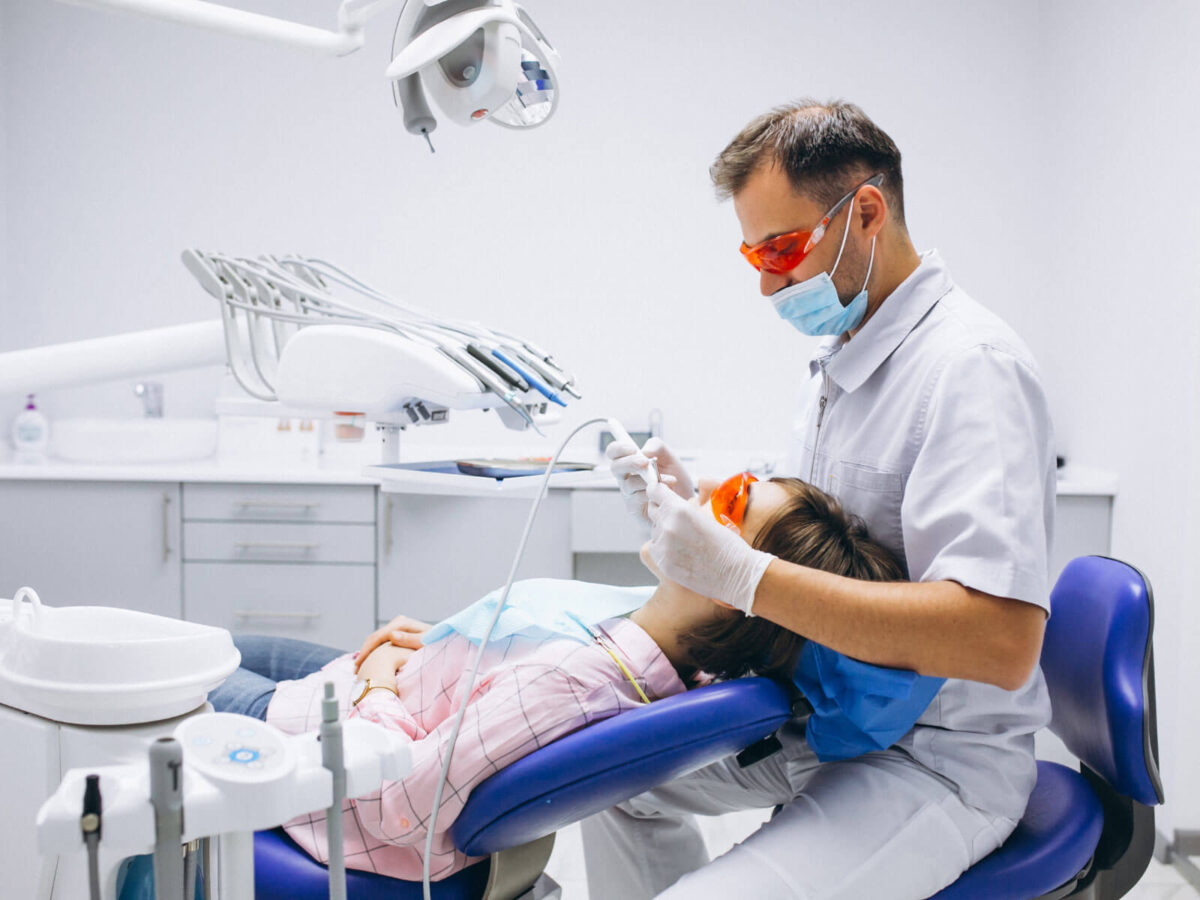
How Often Should You Visit the Dentist for Checkups?
Why This Question Usually Comes After Skipping an Appointment
When everything feels fine, few people stop to ask, “How often should you go to the dentist?” The thought usually appears after a visit is rescheduled or skipped altogether. Life fills up. Months go by. Since there’s no discomfort and daily routines feel normal, the gap doesn’t seem significant.
What’s easy to forget is that most dental concerns don’t announce themselves dramatically in the beginning. Cavities often start small and painless. Gum irritation can develop gradually. Even a minor crack might not cause symptoms right away. It can slowly grow without drawing attention.
That’s what makes the timing harder to figure out than people expect. It isn’t always about waiting for pain or something obvious. A lot of dental issues develop slowly, and by the time they feel urgent, they’ve usually been there for a while.
Where the “Every Six Months” Advice Came From
For years, the answer seemed simple. Twice a year. That recommendation became familiar because it felt manageable and easy to remember. Behind it is a biological reason: plaque forms daily, and if it sits long enough, it turns into tartar that can’t be brushed away at home. Seeing a dentist at regular intervals helps break that cycle before inflammation or decay takes hold.
According to the American Dental Association, though, the timing shouldn’t be identical for everyone. How often someone comes in should reflect their personal risk level rather than a fixed schedule applied to all.
Which means six months is more of a general benchmark than a strict requirement. For many people, it’s appropriate. For others, their needs may fall outside that window.
Why Cavities Don’t Always Hurt When They Start
Appointments often get delayed because everything feels normal. No sharp pain. No visible damage. When everything feels normal, it doesn’t seem urgent enough to rearrange your day.
But cavities don’t always start with discomfort. They can begin as tiny areas of demineralization that you wouldn’t notice on your own. By the time sensitivity shows up, the issue may already be further along.
Cavities aren’t rare. In fact, the National Institute of Dental and Craniofacial Research puts the number at roughly 90% of adults aged 20 to 64 having experienced dental caries. It’s common, and most of it begins quietly.
So when thinking about “how often should you see the dentist?” the real point isn’t comfort. It’s timing.
Why Gum Disease Is Even Quieter
Gum disease tends to progress slowly. Bleeding while brushing might seem minor. Mild swelling may feel temporary.
Yet the Centers for Disease Control and Prevention estimates that nearly 47% of adults over 30 have some form of periodontal disease. Almost half. And most of those individuals don’t feel severe pain in the early stages.
This is where visit frequency matters more than people realize. Gum measurements taken during checkups reveal changes that aren’t obvious at home. The mouth can look stable while bone levels slowly shift underneath.
Why Some People Need More Visits
For patients who have already experienced gum disease, waiting six months may be too long. Inflammation can return quickly. Bacteria repopulate beneath the gum line faster in susceptible individuals. In those cases, dentists may recommend cleanings every three to four months.
The answer to “how often should you go to the dentist” becomes more personal once history enters the picture. It stops being about general advice and becomes about maintenance.
Why Others May Safely Extend Their Schedule
At the same time, some people come in year after year with very little plaque, no new cavities, and gums that remain steady. Research published in the Journal of Dental Research suggests that risk-based recall intervals can be effective for low-risk individuals instead of automatically scheduling six-month visits. That doesn’t mean skipping exams entirely.
It means spacing them appropriately under professional guidance. The keyword there is guidance. Deciding alone that you don’t need visits is different from being evaluated and cleared for longer intervals.
Why Age Changes the Conversation
For kids, it’s usually about saving teeth with fluoride or sealants. As they grow into their teens, appointments may shift toward keeping an eye on alignment. Adults juggling stress sometimes grind their teeth without realizing it. That grinding can lead to fractures that aren’t immediately visible.
Older adults often take medications that reduce saliva flow. Dry mouth increases cavity risk. Each stage of life quietly changes the answer to “how often should you see the dentist”. Frequency shifts with circumstances.
Why Medical Conditions Matter Too
Oral health doesn’t sit in a bubble. What’s happening in the body often shows up in the gums. With diabetes, for example, infections can take hold more easily, and gum problems tend to be more common. The Centers for Disease Control and Prevention has acknowledged that higher risk.
Pregnancy can create changes as well. Hormones fluctuate, and gums sometimes become more reactive than usual. In moments like these, dental care becomes part of overall health management. Skipping appointments can affect more than people realize.
Why Professional Cleanings Go Beyond Polishing
Some people think cleanings are mostly about appearance. Just polishing. The part that’s easy to miss is what happens when plaque sits too long. It hardens. Once it turns into tartar, it doesn’t brush off at home. It sticks tightly and tends to collect more buildup around it. That’s usually when gums start reacting.
So when someone asks “how often should you go to the dentist”, part of the answer depends on how quickly that buildup happens in their mouth. Some people notice it forms fast. Others don’t. Even with similar routines, the pace can be very different.
When Dental Visits Get Pushed Back
A small cavity may require only a filling. Left unattended, it can reach the nerve and require root canal treatment. In advanced cases, extraction becomes the only option.
The American Dental Association consistently emphasises preventive visits as a way to reduce the need for complex procedures later. Waiting doesn’t usually make treatment simpler. It tends to make it bigger.
Why Consistency Is More Important
The goal isn’t perfection with the calendar. Missing by a few weeks usually isn’t the issue. What makes a difference is having a rhythm that doesn’t stretch too far apart. Dentists rely on comparison, looking at today’s images and measurements alongside earlier ones. That’s how small changes stand out. Without regular visits, that baseline gets harder to establish.
That’s part of the reason “how often should you see the dentist” doesn’t have a simple numeric answer. The bigger concern is keeping appointments from becoming too spaced out.
FAQs
If you don’t have any issues, how often should you go to see a dentist?
A six-month routine suits a lot of adults. That said, some patients with very low risk are advised to come in annually instead.
And if gum disease is involved?
More frequent monitoring is typically needed. Visits every few months help prevent flare-ups.
Can you wait for pain as a signal?
Pain usually means the issue isn’t new. By that point, treatment may be more involved.
Is a yearly visit ever enough?
Sometimes, yes. But that depends on your individual risk and should be based on professional guidance.
Conclusion
At first, “how often should you go to the dentist?” feels like a simple numbers question. In reality, it’s more personal than that. Age, past treatment, and overall health all play a part.
For many adults, six months is a good rhythm. For others, it may need adjusting. Understanding “how often should you see the dentist” means looking honestly at gum health and cavity patterns over time.
Small problems stay manageable when they’re seen early. They don’t always stay small if visits stretch out. If you’re unsure what timing makes sense, schedule an appointment and review it properly.