Blog
Dental hygiene tips for healthy teeth & gums
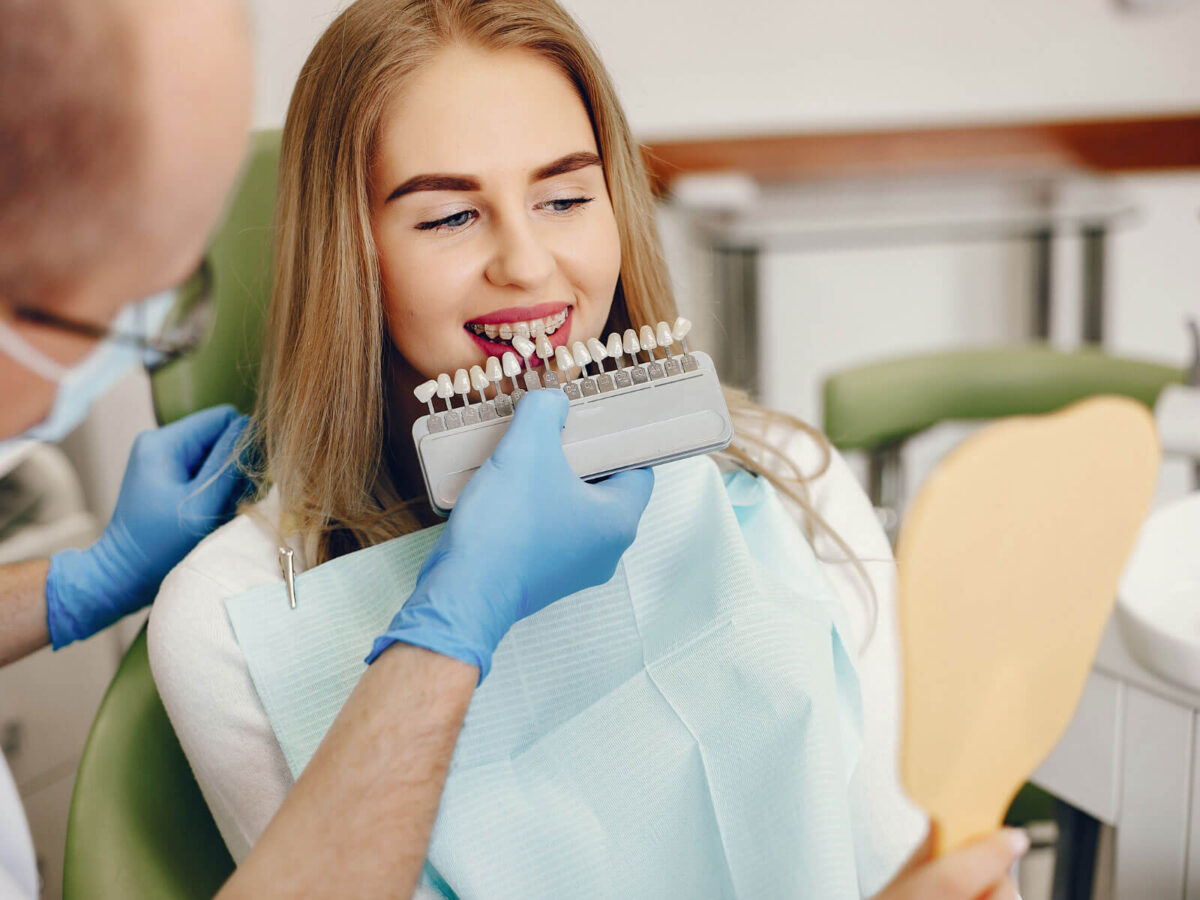
What Are Dental Veneers?
The word veneers has picked up a reputation over the years. For a lot of people, it brings up images of overly white, perfectly straight teeth that look almost too polished. That’s usually why someone types what are veneers into a search bar instead of asking out loud. There’s curiosity there, but also a little scepticism about whether it will look obvious.
In real life, dental veneers aren’t nearly as dramatic as people imagine. They’re basically thin coverings placed over the front of the tooth to tweak small things, maybe the shape, maybe the shade, maybe an edge that never looked quite right. Most people considering teeth veneers aren’t trying to transform their whole face. It’s usually one small detail they’ve noticed for years and finally feel ready to fix.
Learning “how do veneers work” tends to make the whole thing seem more practical than cosmetic. A bit of reshaping helps the veneer sit smoothly, and then it’s secured in place. After that, it just settles into your smile as it belongs there.
What Are Veneers?
Veneers aren’t about replacing your teeth. They’re thin coverings bonded to the front surface and shaped to fit you, not a template. People usually choose them for subtle changes, not dramatic ones, like adjusting colour or smoothing out minor alignment issues.
They don’t cover the whole tooth the way a crown does. They sit on the visible side — the part that shows when you smile or speak.
When people get dental veneers, they’re usually porcelain.
Composite is around too, but porcelain has become more common over time since it looks closer to real enamel and doesn’t lose its finish as quickly. Composite can be more affordable and sometimes completed in one visit.
How Do Veneers Work Without Looking Fake?
This is where most misconceptions live. When people ask, “How do veneers work?”, they sometimes imagine teeth being shaved down dramatically. That image is largely outdated.
Today’s veneers don’t require much enamel to be removed. Dentists typically reshape the surface slightly so the veneer can sit flush instead of looking or feeling thick. It’s conservative, but it’s permanent. Once enamel is removed, it doesn’t grow back.
After that, impressions or digital scans are taken. Veneers are made to suit your mouth, not just in size but in shade and shape too. A good dentist usually focuses on balance and proportion rather than choosing the brightest white possible. They aim for harmony.
Once bonded, veneers become part of the tooth’s outer surface. They don’t move your teeth. They don’t change your bite structure. They simply adjust how the tooth looks. And when done well, most people won’t notice you have them. They’ll just notice your smile feels balanced.
Why People Actually Choose Teeth Veneers
The reasons are rarely dramatic. Some people have intrinsic stains that whitening can’t correct. Tetracycline staining, for example, can sit deep within the tooth structure. Veneers can mask that more effectively than bleaching. Others have minor gaps or uneven edges that don’t require braces but still feel noticeable. Veneers can reshape those edges without orthodontic movement.
There’s also published research in the Journal of Esthetic and Restorative Dentistry showing that people with porcelain veneers often report high satisfaction, particularly in how they feel about their smile. [Source] Confidence is the quiet factor here. For many, teeth veneers come up after living with the same minor issue for years. In many cases, they just want to deal with one small flaw and move on.
Are Veneers Forever?
Yes. And that part deserves real thought. Because the tooth surface is adjusted before bonding the veneer, the process isn’t reversible in the traditional sense. The tooth will always require some type of coverage on that surface moving forward.
However, veneers themselves are not forever. Research in Clinical Oral Investigations reports survival rates over 90% at 10 years for porcelain veneers. [Source] Many last longer with proper care. But like any restoration, they can chip, debond, or wear down over time.
Understanding what veneers are includes understanding that they are a commitment. Not necessarily risky, but intentional.
What Veneers Cannot Fix?
It’s important to say this clearly because expectations matter. Veneers won’t correct severe crowding. They won’t fix gum disease. They won’t replace missing teeth. They won’t correct major bite problems. If alignment is significant, orthodontic treatment may be recommended first. If structural damage is extensive, a crown might be more appropriate.
They’re mainly about appearance, not major reconstruction. Learning how do veneers work helps you see where they make sense and where other treatments might be better.
The Emotional Side No One Mentions
There’s something vulnerable about wanting to change your smile. You might tell yourself it’s unnecessary. That it’s superficial. That nobody else notices the things you notice. And maybe that’s partly true. But if you’ve spent years smiling a little tighter than you want to, that feeling doesn’t just disappear. For some people, veneers feel like a relief. For others, they feel like too much. That hesitation is healthy. Veneers should feel considered, not impulsive.
A good consultation doesn’t rush you. It explores what you’re hoping to change and whether veneers are the right tool for that change. Sometimes they are. Sometimes they aren’t.
What Helps Them Last Longer?
They’re sturdy enough for daily life. But grinding at night can gradually shorten their lifespan. Biting ice or other hard objects can chip a veneer, and ignoring daily cleaning can affect the gums around it. They aren’t fragile, but they aren’t meant to handle constant stress either. Most people who take care of their teeth normally see veneers last somewhere around a decade or more, and in many cases, they go beyond that.
There isn’t usually a dramatic failure point. Wear happens slowly, influenced by habits over time. If you clench in your sleep or keep delaying checkups, its lifespan can shrink quietly over time.
If they’re maintained well, dental veneers don’t feel like an add-on. Over time, they simply settle in and stop being something you’re aware of.
FAQs
What are they made from?
Most are porcelain, although resin is another option. Porcelain tends to look and last better over time.
Will they cover dark stains?
Absolutely. They’re often used when whitening hasn’t made much difference.
Is it uncomfortable?
For most patients, it’s fairly straightforward. Numbing can be used if necessary.
How long do they hold up?
Ten years is common for porcelain, sometimes more, depending on habits.
Conclusion
So, what are veneers? They’re thin, carefully crafted shells that refine the visible surface of your teeth. They don’t replace who you are. They adjust what you see in the mirror.
If you’re still unsure, raise it during your next visit. A dentist can walk you through what the process would involve in your case and whether it even makes sense. Having that clarity often reduces the overthinking that happens when you’re trying to figure it out alone.
Some people move forward with teeth veneers and feel good about them. Others realize they don’t need them at all. The important part is making a choice that feels comfortable once you’ve heard the full picture.