Blog
Dental hygiene tips for healthy teeth & gums
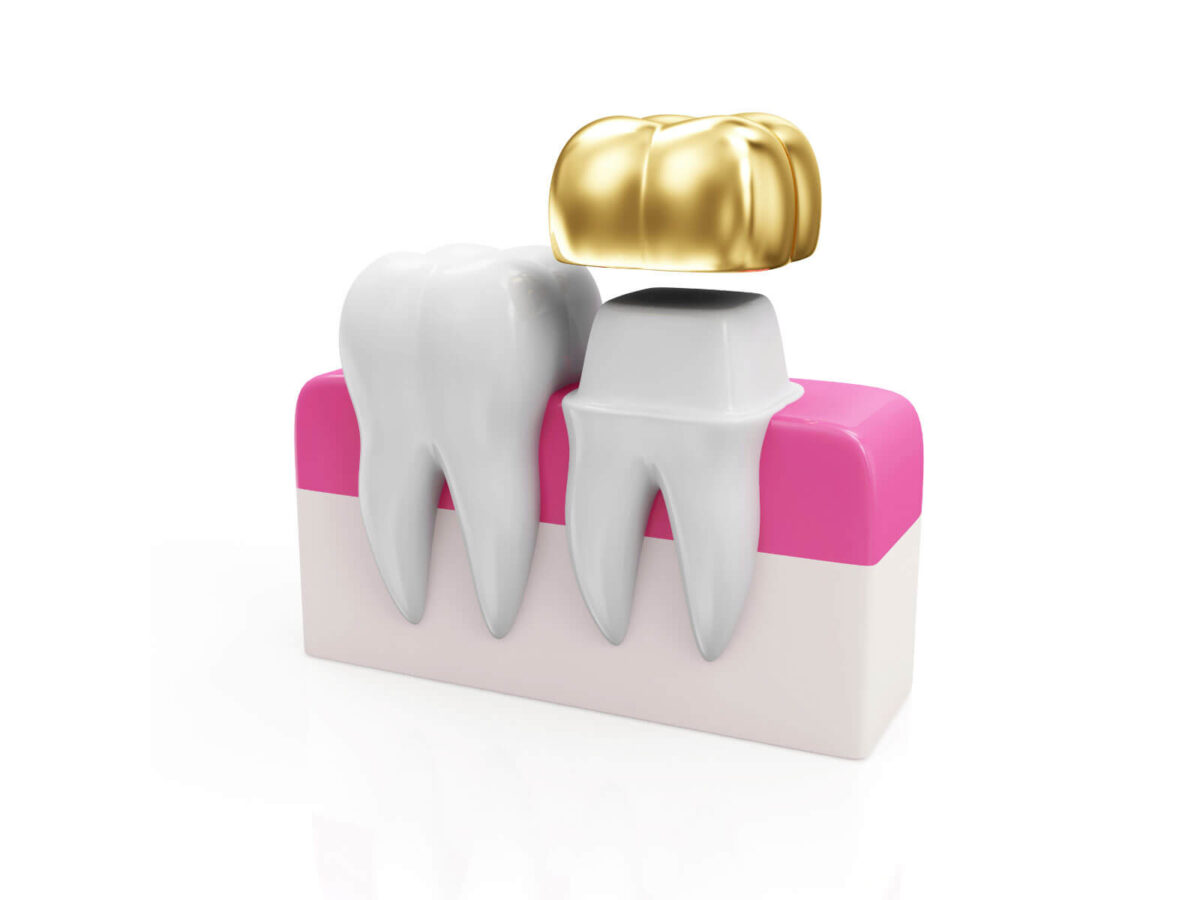
Dental Crown Procedure: 2-Visit vs Same-Day Crowns Explained
A coworker walked out of a same-day crown appointment two hours after walking in, permanent crown already cemented. Her sister, a few months earlier, wore a temporary for three weeks while waiting on a lab in another state. Same problem, same outcome eventually, completely different experience getting there.
That gap is basically the whole conversation now around the dental crown procedure. Two real paths exist, and the tradeoffs between them go deeper than just speed.
How Does the Traditional Two-Visit Dental Crown Procedure Actually Work
First visit starts with numbing, then filing the tooth down to make room for whatever crown eventually goes on top. Next comes the impression, usually that putty-like material patients tend to complain about, capturing the shaped tooth and its neighbors on either side.
A lab technician takes that impression and hand-builds the crown, a process that eats up one to three weeks. A temporary sits in the tooth’s place the whole time. When the real crown’s ready, visit two swaps it in, checks the bite, and cements it for good.
What Happens Step by Step in a Same-Day Crown Procedure
Same starting point, tooth numbed and reshaped, but everything after that diverges. Instead of a putty impression, a digital scanner captures the tooth, a process most patients describe as considerably more comfortable than the traditional mold.
That digital scan gets designed into a crown shape on a computer right there in the office, then milled from a solid ceramic block by an in-office machine, typically taking somewhere between 10 and 20 minutes depending on the equipment.
The crown gets fitted, adjusted, and cemented on the same visit. No temporary ever involved. Total appointment time runs one to three hours, longer than a standard filling but done in a single sitting, the fastest version of the dental crown procedure available right now.
Does the Research Actually Show One Method Fits Better
Slightly, though not in the way most dental office brochures let on. A study comparing marginal and internal fit between conventional metal-ceramic crowns and zirconia CAD/CAM crowns found a statistically significant difference favoring the conventional method, a marginal gap of about 77 microns for traditional crowns versus roughly 96 microns for the CAD/CAM group.
That number needs context, though. 120 microns is the ceiling most researchers point to for an acceptable gap, and both methods land well under it.
Statistically significant doesn’t automatically mean clinically significant here. A separate review in PMC on chairside CAD/CAM restorations concluded that marginal fit on these systems falls within ADA specifications and functions as a legitimate alternative to conventional lab fabrication, whichever version of the dental crown procedure a patient ends up choosing.
Are Same-Day Crowns as Durable as Lab-Made Ones
Broadly yes, though the data isn’t uniformly one-sided. A systematic review and meta-analysis in PMC comparing CAD/CAM and conventional crown outcomes found no significant difference in overall survival between the two manufacturing methods.
Five-year survival for lab-made lithium disilicate crowns ranged from roughly 90.7 to 96.6 percent in the studies reviewed, with CAD/CAM crowns landing close behind at around 91.6 percent.
The same meta-analysis did flag one real gap. CAD/CAM restorations showed significantly higher rates of esthetic complications compared to conventional crowns, even while biological and technical complication rates stayed statistically similar between the two.
That’s a specific, narrow finding, not a blanket knock against same-day options for a dental crown procedure, but it’s worth knowing if a front tooth and precise shading are the priority.
What Materials Can Actually Be Used for Each Method
Traditional lab crowns offer the widest material selection by far – ceramic, zirconia, porcelain-fused-to-metal, and gold all remain options since a technician has time and tools a chairside machine doesn’t.
Same-day systems are limited to ceramic blocks specifically, usually lithium disilicate or resin-ceramic hybrids, milled directly from a solid puck. That’s not automatically a downside. These ceramics have been engineered specifically for CAD/CAM milling, and modern formulations balance strength and translucency well enough for most cases.
It does mean gold or a hand-layered porcelain finish simply isn’t on the table with the same-day route, one real constraint built into that faster version of the dental crown procedure.
When Do Dentists Still Choose the Two-Visit Crown Route
Complex esthetic cases lean more toward traditional. A front tooth needing subtle shade blending, multiple adjacent crowns needing to match each other precisely, or a patient with unusual anatomy can benefit from a technician’s hand-finishing time in a way a same-day machine, however good, doesn’t fully replicate yet.
Multi-unit cases carry their own logic too. Fixed partial dentures and bridges spanning several teeth showed a meaningfully lower survival ratio than single crowns across the research regardless of manufacturing method, and dentists tend to lean on the traditional dental crown procedure when the stakes of that lower baseline survival are already higher.
Does Cost Differ Much Between the Two
Less than people expect. Price per tooth lands in roughly the same ballpark either way, though what a specific practice charges shifts around based on location and material. Traditional crowns can tack on a separate lab fee, while same-day ones bake that cost into the single visit.
Insurance doesn’t play favorites here either; both methods usually get covered at the same rate. Where the real cost gap shows up is off to the side, a missed half-day of work for that second appointment, or a temporary crown that cracks and forces an extra trip nobody planned for.
What Should You Actually Ask Before Choosing Either Option
Ask whether that specific tooth actually works for same-day milling. Front teeth with tricky shade matching, or a tooth that’s part of a bigger multi-tooth restoration, don’t always fit the same-day workflow well, even at offices set up to do it.
Ask about the practice’s specific track record with whichever version of the dental crown procedure they’re recommending, too. A dentist experienced with same-day systems tends to get better results from them than one who added the equipment recently, and the same logic applies to a lab relationship a dentist has worked with for years versus a newer one.
FAQ
Is a same-day crown less durable than a traditional lab crown?
Not meaningfully, based on the research. Overall survival rates land close together, though same-day crowns show a higher rate of esthetic complications, specifically in some studies.
Can any tooth get a same-day crown, or are some cases excluded?
Most single-tooth cases work well with same-day systems. Complex esthetic cases, multi-unit bridges, and certain material preferences like gold still tend to favor the traditional lab route.
Does skipping the temporary crown actually matter?
It saves a real headache. Temporary crowns crack, come loose, sometimes leave a tooth sensitive for weeks, none of which happens if there’s never a temporary in the first place.
Is there a longer track record with one method over the other?
Traditional lab-fabricated crowns, by a wide margin, simply because the technology predates CAD/CAM systems by decades. Same-day crown research has caught up significantly, though very long-term data, 15 years and beyond, still leans more heavily on traditional crowns.
Conclusion
The dental crown procedure really splits into two legitimate paths now, not a clear upgrade and a clear downgrade. Same-day crowns save real time and skip the temporary crown phase entirely, while research shows a small but real edge for traditional crowns on marginal fit precision and esthetic outcomes in certain cases.
Push for a real answer about your specific tooth, not a default sales pitch for whatever’s already installed at that office. What matters is the case in front of you, not the equipment sitting one room over.