Blog
Dental hygiene tips for healthy teeth & gums
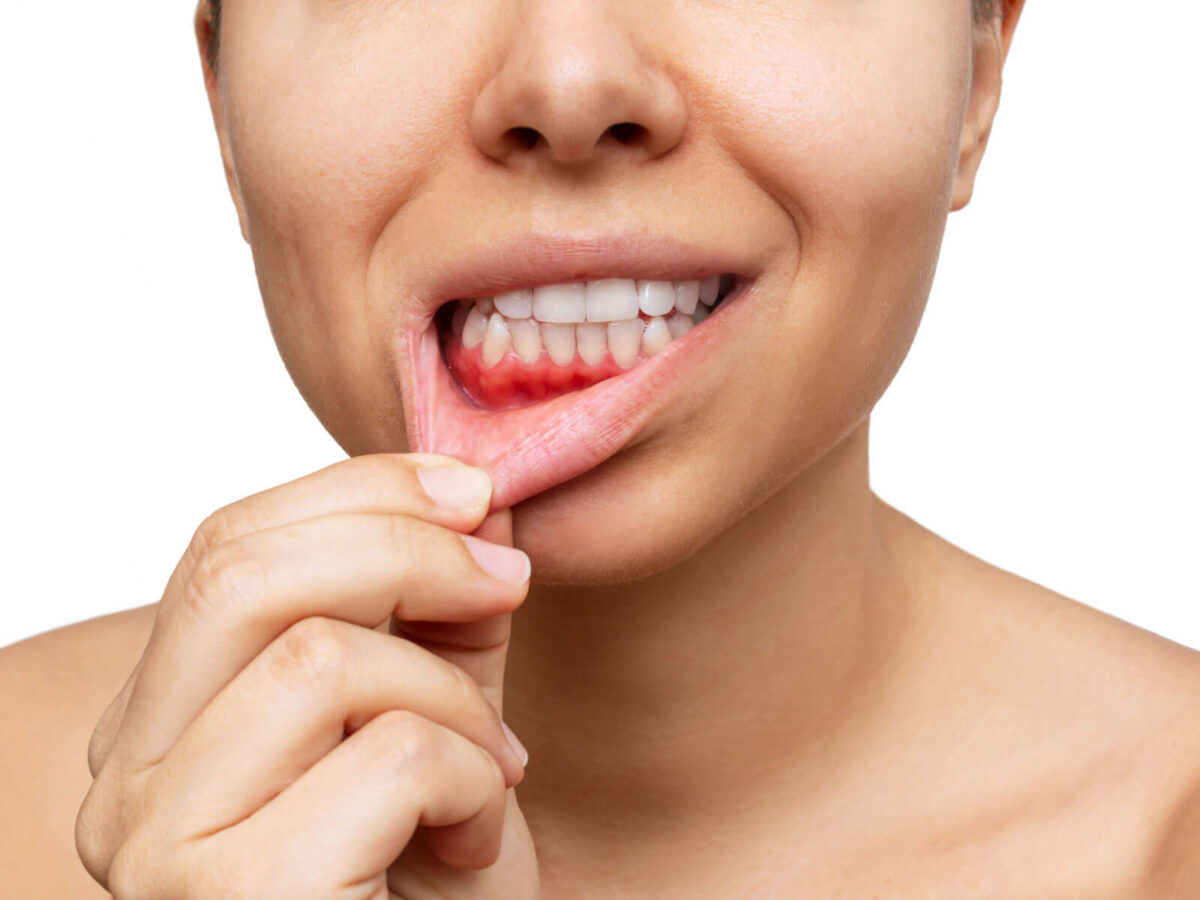
How to Stop Bleeding Gums: 10 Home Remedies & When to See a Dentist
I spat blood into the sink for two weeks straight. I figured I was just brushing too hard and kept pushing through it. Turned out to be early gingivitis. A deep cleaning and a change in technique fixed it within a month.
That’s the more common outcome. Bleeding gums treatment at home works well for a lot of cases. Knowing which case you’re actually in matters more than any single remedy here.
What’s Actually Causing It
Plaque along the gumline. This drives most cases. The gums react to bacteria sitting right at that line, getting inflamed enough that even light contact, brushing, or a hard piece of bread sets off bleeding.
Technique problems. Brushing too hard, flossing too aggressively, or using a toothbrush with bristles too stiff for what your gums can handle all show up as bleeding without any underlying disease behind it. It’s just how the cleaning itself is being done.
Something else entirely. A smaller group of cases trace back to pregnancy, medication side effects, a vitamin deficiency, or a clotting disorder, any of which can make gums bleed before other symptoms even show up.
1. Rinse With Warm Salt Water
Salt water gets recommended so often because it actually works. A pinch dissolved in warm water, swished for half a minute, spit out, two or three times through the day, is enough to keep bacteria from gaining ground along the gumline.
Cleveland Clinic puts salt water rinses near the top of its list for a reason. Just don’t lean on it all day. Rinsing all day dries out the exact tissue you’re trying to help, and for anyone wondering how to stop my gums from bleeding long-term, a dry, irritated mouth just adds a new problem on top of the original one.
2. Diluted Hydrogen Peroxide as a Gum Rinse
This one comes with a limit built in, so start there. A few times a week is plenty. More than that, the peroxide starts drying out and irritating the same tissue it’s supposed to be helping.
The mix itself is simple, equal parts 3% hydrogen peroxide and water, swished for thirty seconds and spit out completely. A Healthline-cited study found that rinsers using hydrogen peroxide had less gum inflammation than a control group using something else.
3. A Cold Compress for Fast Relief
Grab a clean cloth, wrap some ice in it. Hold it against your cheek for around ten minutes. Cold makes the blood vessels near the surface tighten, and that’s the whole mechanism – less blood flow, less swelling, less bleeding.
This helps most with sudden bleeding, a rough flossing session, or a small bump against the gum. It’s not going to touch the slower, chronic bleeding that comes from gingivitis. For that kind of ongoing issue, figuring out how to stop my gums from bleeding takes more than ice.
4. Try an Electric Toothbrush With Soft Bristles Instead
A lot of people scrub harder, assuming it cleans better. It doesn’t. It just wears down gum tissue over time. Aggressive brushing causes more bleeding than most people realize.
An electric brush with soft bristles applies steadier, gentler pressure than most hands manage on their own. Plenty of people notice a real difference within a week or two of switching, one of the simplest changes for anyone still working out how to stop my gums from bleeding during the daily routine itself.
5. Floss Gently, Every Day
Bleeding when you first pick up flossing as a habit is normal, not a sign to stop. Keep going gently for a week or two, and the gum tissue actually toughens up, which is usually right around when the bleeding starts to disappear too.
If it’s still going past that window, that’s a different situation. Worth mentioning to a dentist rather than assuming how to stop my gums from bleeding will just resolve itself over time.
6. Rinse With Tea Tree Oil, Properly Diluted
The research here is stronger than most home remedies get. A randomized trial in PMC compared 1% tea tree oil mouthwash against 0.12% chlorhexidine, the prescription-strength rinse most dentists reach for. Tea tree oil actually beat it on plaque index, bleeding on probing, and probing depth, with no staining and none of the taste changes chlorhexidine is known for causing.
A second PMC trial testing 0.2% tea tree oil against chlorhexidine over 28 days found similarly good results. A newer triple-blind trial checked back in at 15 days and found both rinses had knocked down plaque and inflammation by about the same amount.
Warm water, two drops of the pure oil mixed in, that’s the ratio. Swish, then spit. Never straight onto the gums, never swallowed. Undiluted, it’s toxic, worth remembering before adding this to any bleeding gums treatment routine.
7. Eat More Vitamin C + Vitamin K
Weak collagen means weaker gum tissue, and vitamin C is what builds that collagen in the first place. Citrus, bell peppers, strawberries, none of it’s hard to work into a normal week of eating.
Vitamin K does something different. It’s tied directly to how well blood clots. Low levels of either vitamin show up again and again in research on gum bleeding, even in people who brush and floss carefully. Sometimes, how to stop my gums from bleeding has less to do with technique and more to do with what’s on the plate.
8. Use an Antibacterial or Antiplaque Mouthwash
A dedicated antibacterial rinse goes further than anything you’d mix yourself at home, working on the bacteria driving inflammation day after day rather than just during one rinse.
Look for something labeled for gingivitis or plaque control specifically. A generic breath-freshening mouthwash isn’t built the same way, and it’s not doing much for the actual bacteria behind the problem, which matters if a daily rinse is going to be part of how to stop my gums from bleeding long-term.
9. Cutting Back on Smoking Helps Gums Heal
Smoking hurts gums two ways at once. The tissue itself takes damage, and blood flow to the area drops enough that bleeding can look milder than the actual damage happening underneath.
Quitting sometimes makes bleeding look worse at first. That’s blood flow coming back to normal, not a sign that quitting backfired, and it’s a step worth taking seriously for anyone working through how to stop gums from bleeding long-term rather than just managing symptoms week to week.
10. Give It Real Time, and Actually Track the Pattern
Mild gingivitis responds to consistent care within two to four weeks in most cases. Consistent is the operative word. A good week followed by a lapse resets things more than it builds on them.
Watch the trend, not one bad day. One rough flossing session with a little blood isn’t worth worrying about. What matters is whether it keeps happening no matter how careful you are.
When Home Care Isn’t Cutting It Anymore
Ten days of gentle, consistent care should show some improvement. If nothing’s changed by then, home remedies have done what they can, and it’s time to get a dentist involved. Cleveland Clinic points out that gum disease left untreated doesn’t just stay put. It works through the tissue, ligaments, and eventually the bone holding teeth in place, damage that a rinse or a soft toothbrush can’t reverse.
A few things mean skip the waiting period entirely. Gums pulling back from teeth. A tooth that feels loose. Breath that stays bad no matter how well you brush. Any of those points points toward periodontitis, past the stage where anything at home makes a real difference.
Not every case starts in the mouth either. Cleveland Clinic points to a few things worth checking outside the mouth entirely: hormonal changes, low vitamin levels, a clotting disorder, and occasionally leukemia. Fatigue or bruising that doesn’t make sense alongside the bleeding is worth mentioning to a doctor, too.
FAQ
New flossers, is gum bleeding something to expect?
This trips up almost everyone at first. A couple of weeks in, it usually stops.
Does stress play any role in bleeding gums?
It can make things worse if there’s already inflammation going on, though it won’t cause bleeding gums by itself.
My gums bleed with every single floss, not just sometimes. Should I stop?
No. That’s backwards. Quitting is how it gets worse.
Do bleeding gums ever just resolve on their own?
Small stuff does. Anything that’s turned into actual gum disease needs a dentist, which is really the line between how to stop my gums from bleeding at home and needing professional help.
Conclusion
Most bleeding gums calm down within a week or two once someone actually stays consistent with gentler cleaning, and maybe a rinse in the mix. That’s usually the answer.
Watch for the exceptions, though. Teeth that start feeling loose, gums pulling back, pockets forming- none of that responds to “how to stop my gums from bleeding” advice found online. That’s a dentist’s job, and the sooner someone gets there, the less damage there is to undo.